
NGORONGORO CRATER
A Natural Wonder Beneath the Highlands
Ngorongoro is a place of extraordinary contrasts-mist-covered highlands, forested crater walls and an immense volcanic floor alive with wildlife.
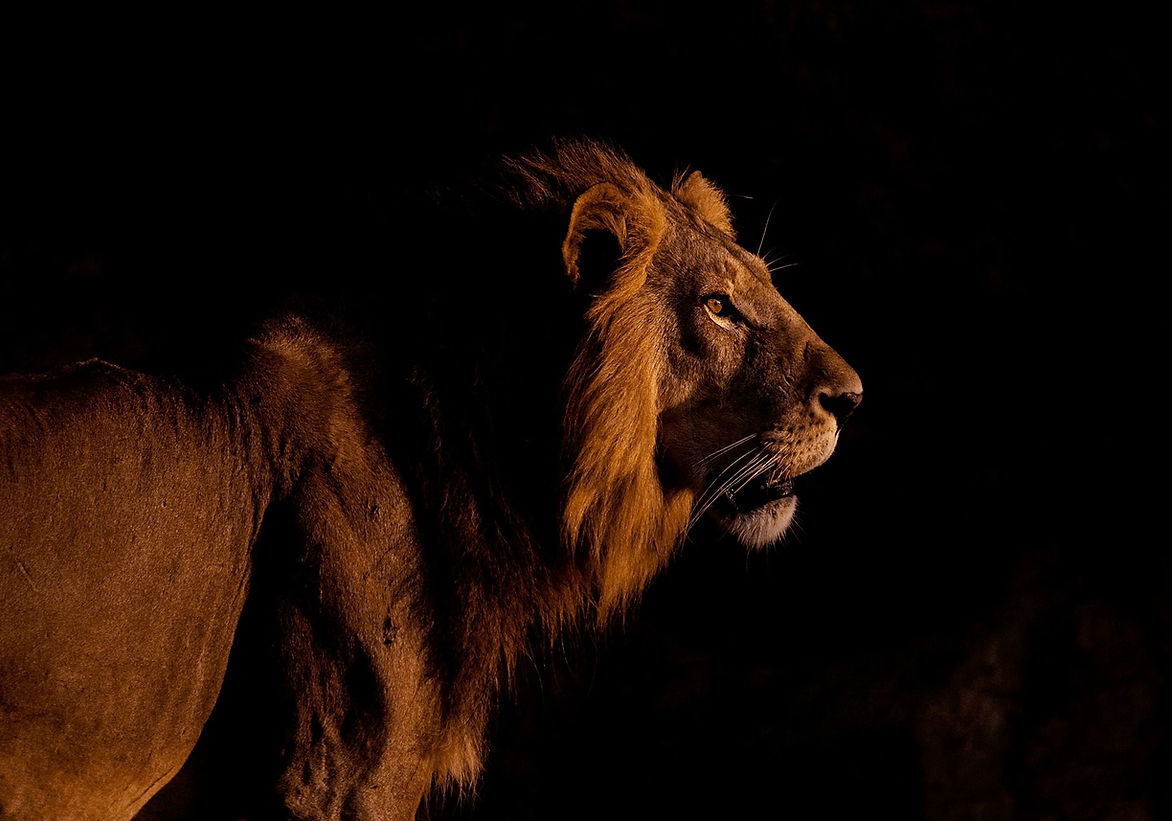
The journey begins along the crater rim, where breathtaking viewpoints reveal the scale of the landscape below. Descend approximately 600 metres into a natural sanctuary of open grasslands, freshwater pools, woodland and seasonal wetlands. Lions move across the plains, elephants wander through the forests and flamingos may gather along the shallow waters of Lake Magadi.
Whether you come for remarkable wildlife encounters, the possibility of seeing the endangered black rhinoceros or the unforgettable view from the crater rim, Ngorongoro offers one of Tanzania’s most distinctive and rewarding safari experiences.

EXPERIENCES
A Day Inside One of Africa’s Greatest Natural Sanctuaries
Your Ngorongoro experience begins with a private drive through the cool highlands before reaching the crater rim. From here, the road descends into the caldera, revealing an extraordinary landscape where grasslands, wetlands, forest and freshwater habitats exist within one magnificent natural setting. Every turn introduces a new view and another opportunity to observe wildlife.
The crater floor supports an exceptional concentration of animals throughout the year. Search for lions, buffaloes, zebras, wildebeest, hippos, hyenas and large tusked elephants. Ngorongoro is also among Tanzania’s important areas for the endangered black rhinoceros, although sightings remain a matter of patience, timing and good fortune.
Private game drives allow your guide to shape the day around wildlife activity and your personal interests. Stop for photography, spend time observing animal behaviour and enjoy a picnic at an authorised location surrounded by the remarkable atmosphere of the crater. After ascending, continue through the highlands or return to your lodge as the afternoon light settles across the landscape.

LANDSCAPES OF NGORONGORO
ONE CRATER. MANY DIFFERENT WORLDS.
THE OPEN CRATER FLOOR
Wildlife Across the Grasslands
Wide grasslands cover much of the crater floor and attract large numbers of zebras, wildebeest, gazelles and buffaloes. Their presence also supports a healthy population of predators, creating excellent opportunities to observe the natural relationships between hunters and herds.
LERAI FOREST
In the Shade of the Fever Trees
This atmospheric woodland offers a striking contrast to the open plains. Its tall fever trees provide shelter for elephants, monkeys, birds and other wildlife, while leopards may occasionally be encountered among the branches and shadows.
THE HIGHLANDS & CRATER RIM
Above an Ancient Caldera
Cool air, rolling farmland and forested slopes surround the crater. From selected viewpoints and lodges along the rim, travellers can appreciate the immense scale of the caldera and watch clouds, sunlight and mist transform the scenery throughout the day.
A PLACE OF NATURE, CULTURE AND HISTORY
Beyond the Crater Floor
Ngorongoro forms part of a much larger conservation landscape extending from the highlands to the short-grass plains bordering the Serengeti. Wildlife moves through this wider ecosystem according to rainfall, grazing and the changing seasons.
The conservation area is also associated with an exceptionally long record of human history. Olduvai Gorge and Laetoli have produced internationally important archaeological discoveries that contribute to our understanding of early human development.
Ngorongoro is also a living cultural landscape connected to Maasai pastoral communities. Any cultural experience should be carefully selected, respectfully managed and approached as an opportunity for genuine learning rather than performance.
TRAVEL WITH PURPOSE
Experiences That Respect
People and Place.
We believe meaningful travel should respect Ngorongoro’s wildlife, landscapes, cultural heritage and resident communities. We favour responsible experiences, thoughtful wildlife viewing and respectful cultural engagement while following the guidance of the conservation authorities.
Your visit should leave you with more than photographs. It should create a deeper appreciation of the relationship between nature, history and human life that makes Ngorongoro unlike anywhere else in Tanzania.